


AUD rate today October 25, 2026 is 0.00 Euro
AUD was trading at 0.00Euro yesterday, which represents 0 percent change from yesterday.
The Australian Dollar to Euro price affects tourists, exporters and students alike. Even a small move in the rate can change travel budgets, profit margins or tuition costs.
Global trade tensions, policy decisions and inflation in both regions constantly reshape the exchange rate. Understanding the AUD/EUR relationship helps people and businesses plan more intelligently.

The exchange rate reflects both domestic economic conditions and the wider global economy. Over the past decade it has moved sharply in response to commodity cycles, crises and policy shifts.
Interest-rate changes by the RBA and ECB can move the rate quickly. Higher Australian yields can support the AUD; tighter ECB policy can strengthen the Euro.
Australia depends heavily on exports such as iron ore, coal and agricultural goods. Strong commodity prices usually support the AUD, while weaker demand can pressure it lower.
Stable inflation and economic transparency support investor confidence. When investors view Australia as more stable, capital tends to flow toward it.
Energy shocks, wars and trade disputes can quickly change currency values. Stable political conditions usually reduce short-term volatility.
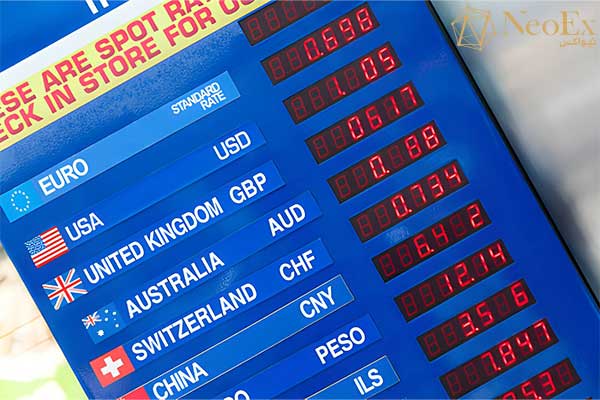
The rate affects travel costs, study expenses, import prices and export income. It is a direct bridge between global market shifts and everyday financial decisions.
A stronger Euro means higher travel costs for Australians and weaker purchasing power for those earning in AUD while spending in Europe.
Tuition and living expenses rise when the Euro strengthens. Many families use multi-currency tools to manage those costs.
Exchange-rate changes affect exporter revenue, importer costs and international payment pricing.
Multi-currency cards, wallets and forward contracts can reduce risk. Many traders also watch the Australian Dollar to toman price for regional context.

Analysts expect volatility to continue in 2025, driven by inflation, interest-rate policy and global trade conditions.
Recent forecasts suggest the AUD may strengthen slightly against the Euro by the end of 2025 if Australian policy stays relatively tighter than Europe's.
Some estimates place the rate around 0.56 to 0.57 Euro per Australian Dollar, but that outlook still depends on inflation, commodity prices and trade relations.
Businesses and investors may want to use hedging tools and multi-currency reserves to reduce risk from sharp swings.
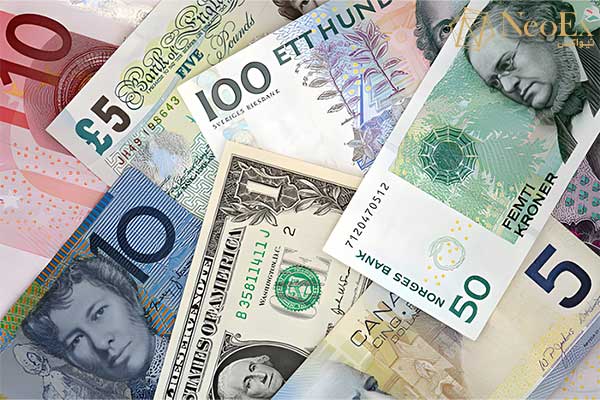
To understand the AUD better, compare it with other major currencies too. Chinese demand, oil prices, tariffs and supply-chain issues all shape the broader picture.

Forecasting exchange rates is difficult, but understanding central bank policy, inflation, trade and geopolitical events can help you make smarter decisions. Use reliable converters and banking sources, and track the Australian Dollar to Euro price regularly.
It can change continuously during trading hours, sometimes every minute.
Currency cards, good timing and forward contracts can help.
High inflation usually weakens a currency unless interest rates rise enough to offset it.
Yes. Elections, policy changes and geopolitical tensions can all move the rate.
They often reflect similar global pressures and give a broader view of currency trends.
Answers to the most common questions from our customers
To check the status of an exchange, you can search for its name in the AUSTRAC register via the link below and verify its registration or licensing status. If the exchange name does not appear in the search results, it is likely not registered with AUSTRAC and cannot be legally verified.
https://online.apps.austrac.gov.au/rsr
AUSTRAC (Australian Transaction Reports and Analysis Centre) is an Australian government agency and financial intelligence unit responsible for supervising the financial system and combating financial crime.
In addition to general transfer details (sender, recipient, amount and rate), an official exchange receipt must include a Reference Code issued by AUSTRAC. This code shows that your transaction has been reported to AUSTRAC and is considered a lawful transaction. With this code, you can prove that your transfer was legal.
A white transfer is the opposite of a black transfer. It is a colloquial term meaning the transfer was completed legally through an official exchange. All transfers at NeoEx are white and legal.
Yes, the rates on the website are updated around the clock.
If you did not find your answer, contact us.